What Casino, Resort, and Entertainment Venue Labels Actually Tell You
Casino, resort, and entertainment venue labels can blur important differences. Learn how to read each one and choose a property that fits your plans.

The most common mistake is booking around a venue label instead of the feature you need. “Casino,” “resort,” and “entertainment venue” can all sound like promises; assuming too much from the name can leave you without the game, meal, room, or event you planned around.
Casino, resort, and entertainment venue labels are useful clues, not full descriptions. Read them as a starting point, then look for the specific activity, access terms, and timing that would make the visit work for you.
Venue labels point toward a focus, not a full offer
“Casino” puts gambling at the center of a property’s identity. “Resort” suggests a leisure destination. “Entertainment venue” emphasizes events or activities. Those associations can help narrow your search, but none tells you exactly what is available, who can use it, or when.
A name can serve as branding as much as description. A property may have several services, but its label alone does not confirm that a particular one is open during your visit or included with a booking. Begin with your actual purpose: gaming, an overnight stay, dining, a performance, or a combination.
A casino label does not tell you which games are available
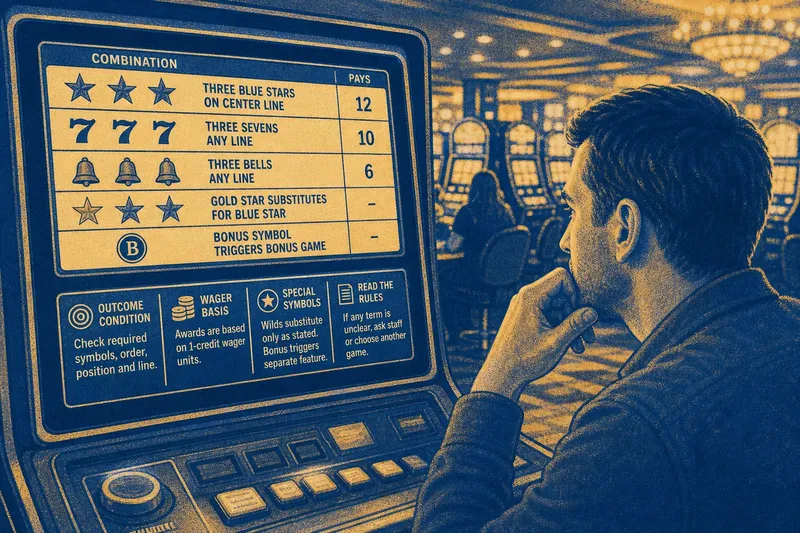
“Casino” does not specify the games on offer, operating hours, visitor policies, or whether the property also has lodging and dining. If a particular game or gaming area matters, look for a direct description and the conditions for access.
Keep the question precise. “Is this a casino?” is already answered by the label; “Can I access the game I’m interested in during my visit?” needs current, specific information. Treat anything not clearly stated as an open question.
A resort label does not define what a stay includes
“Resort” suggests a leisure-oriented destination, not a fixed inventory of facilities. Lodging, dining, and recreation may be described in separate places, and a service available to overnight guests may have different access terms for other visitors.
Look for the details tied to your purpose. If you are booking a room, read the accommodations and booking terms. For dining, check the restaurant’s own information. For an amenity, find its access conditions and operating details. If a missing answer could change your plans, ask the property before committing.
An entertainment venue label does not confirm a show
The phrase can describe a theater, event space, casino complex, or property with several activities. It signals a broad purpose, not a particular lineup or a scheduled performance.
For a planned show, look up the event listing for your intended date and read what admission covers. A general venue description and a dated event listing answer different questions: one describes the place, while the other identifies what is scheduled and the terms of entry.
Check the details that can change your choice
Use the following checks to turn a broad label into a decision. Each one pairs an observable detail with a next move, so an unclear answer does not quietly become an assumption.
- Your main purpose: Check whether the priority is gaming, lodging, dining, a show, or another activity. If one is essential, compare properties on that feature first; if several are essential, check each separately before choosing.
- A specific service page: Look for a current property page describing the game, room, restaurant, or amenity you need. If it gives relevant details, use those; if no page exists, treat availability as unconfirmed and ask the property or consider another option.
- Who can access it: Check whether the terms name hotel guests, ticket holders, or other visitors. If your status is covered, continue to the timing check; if it is excluded or unclear, ask about access before building plans around it.
- Timing: Compare the stated hours or event date with your intended visit. If they match, keep that option in consideration; if they conflict or are missing, seek current confirmation or choose a different time or property.
- Booking or admission terms: Check whether a reservation, room booking, or ticket is required and what it permits. If the terms cover what you need, compare the option with alternatives; if they leave a crucial condition open, ask before committing or select an option with clearer terms.
- Unanswered details: Identify any uncertainty that could change your decision. If it matters, request a direct answer and wait before committing; if it does not, note it and decide using the details that are confirmed.
Say you are choosing between two properties for dinner and a performance. Your starting plan is a restaurant open to visitors who are not staying overnight, followed by a show on your chosen evening. You check each property’s restaurant information and event listing; one restaurant page does not say whether outside visitors can reserve. You ask that property specifically about visitor reservations. If it confirms access and its event listing matches your date, both parts of the plan have supporting details; if access remains unclear, you can choose the other property or change the dinner plan. The venue names alone do not settle the choice.
Which venue label answers the question you have?
Does a casino label mean the property offers rooms?
No. The label points to gambling, not a lodging inventory. Check the property’s accommodations information if an overnight stay matters.
Does a resort label mean every amenity is included?
No. The word does not specify what a booking or visit covers, or who may use each facility. Read the terms for the particular service you intend to use.
Does an entertainment venue label mean a show is scheduled?
No. The label does not confirm an event on a particular date. Check the dated event listing and its admission terms.
Which label is the most reliable?
None gives a complete description. Give more weight to a clear statement about the feature you need, including its access conditions and timing.
Let the label guide your first question
When comparing a casino, resort, or entertainment venue, there is no need to rank the labels. Match specific, relevant details to your plans. A broad identity word can point you toward a useful page, but it cannot settle whether a service fits your visit.
Ask narrow questions: Is the room, game, or amenity available to you? Is the event scheduled for your date, and what does admission cover? If the answer is vague, treat the detail as unconfirmed. When a reservation, ticket, or facility is central to your plans, check its current terms before committing.
Casino, resort, and entertainment venue labels can help you decide what to investigate first. The useful distinction is not which word sounds most appealing, but whether the property’s stated offer matches the visit you intend to make.